
Professional Aviation Training for Educational Institutions
Aviation Training, Grounded in
Operational Experience.
Professional development for aviation educators, trainers and VET staff, combining current industry practice with practical, classroom-ready learning.
Our approach is competency-based. Every programme combines practical learning with current aviation industry practice.
Trusted by schools across Europe
Erasmus+ compliant and quality driven
Built to aviation regulatory standards
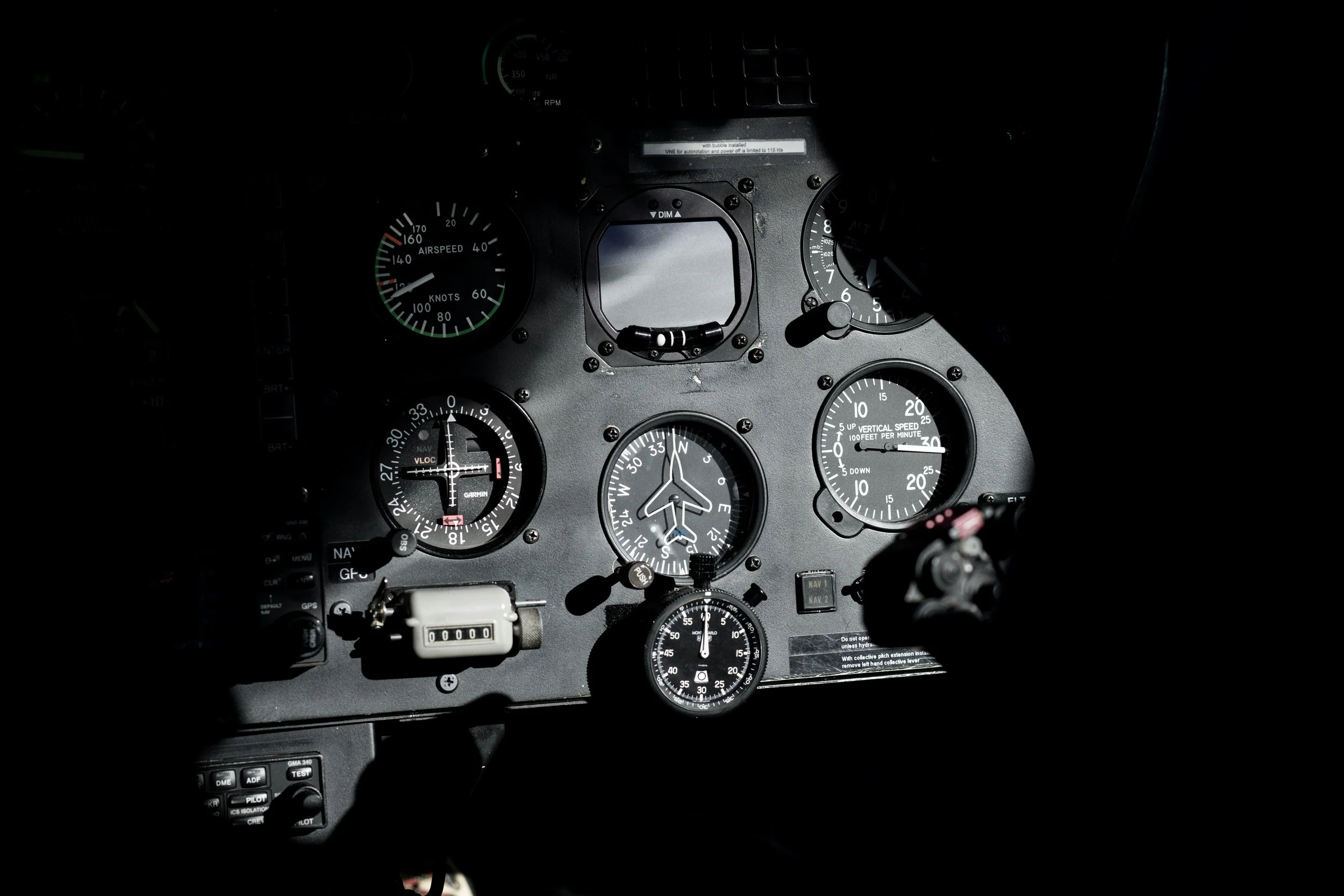
Competency-Based Learning

Industry-Relevant Case Studies

Immersive Aviation Scenarios

Ready-to-Use Educational Resources


Professional Development
Professional Aviation Training for Educators and VET Staff
Aviation continues to evolve through new technologies, operational practices and regulatory change. Professional development helps educators keep teaching aligned with industry.
Safeer delivers aviation training programmes for teachers, VET trainers and educational staff, combining operational expertise with practical teaching approaches.
Practical workshops, operational case studies and collaborative learning designed for immediate classroom application.
- Courses
- 6 Aviation Courses
- Duration
- 2–30 days · scheduled or on request
- Delivery
- Led by aviation professionals
- Completion
- Course documentation & certificate
Our learning approach
Explore Our Learning Approach
Learning built around measurable outcomes and practical application, focusing on what participants can confidently perform in real aviation contexts.
In practice · Flight Operations & Airline Decision-Making
Participants analyse realistic operational scenarios, evaluate decisions and transform operational experience into classroom-ready learning activities.
Authentic examples from airline operations, airports and aviation safety, connecting industry practice with classroom learning.
In practice · Aviation Safety Management Systems
Participants work through a real safety-report case, tracing how hazards were identified, assessed and mitigated — then discuss how the same analysis can be taught in their own courses.
Realistic operational scenarios that develop decision-making, teamwork and critical thinking in aviation contexts.
In practice · Airport Operations & Ground Handling
Participants manage a simulated aircraft turnaround, coordinating roles, prioritising tasks and reflecting on how the exercise can be applied in the classroom.
Practical teaching materials and activities designed for immediate use with learners.
In practice · Every programme
Participants leave with adaptable lesson plans, assessment ideas and learning resources developed throughout the programme.
The courses
Professional Development Courses for Aviation Educators
Select a course
Suitable for Erasmus+ staff mobility activities under KA121, KA122 and KA131.
Flight Operations & Airline Decision-Making
Gain practical insight into how airlines plan, monitor and manage flights. This programme combines operational knowledge with teaching approaches that help educators translate real aviation practice into classroom learning.
For: Aviation teachers, VET trainers and instructors covering flight operations.
Course Content
- Air Law & Air Traffic Control
- Principles of Flight
- Aircraft Systems & Engines
- Mass & Balance · Aircraft Performance
- Navigation · Meteorology
- Flight Planning & Flight Monitoring
- Operational Procedures
- Human Performance & Limitations
Learning Objectives
- Explain how flight operations disciplines combine to support operational decision-making.
- Interpret operational flight-planning, performance and mass-and-balance data.
- Analyse operational scenarios and evaluate the trade-offs behind dispatch decisions.
- Relate course content to ICAO, EASA Air Ops and IOSA references for curriculum design.
- Develop classroom activities and assessments from real operational case studies.
Airport Operations & Ground Handling
The airport is where airline operations come together. This programme gives educators a practical understanding of airport and ground-handling operations, combining real operational practice with teaching approaches that can be applied in the classroom.
For: Educators teaching airport operations, ground handling or aviation logistics.
Course Content
- Airport layout, airside and landside operations
- Aircraft turnaround coordination and the ground handling cycle
- Passenger, baggage and cargo handling
- Ramp safety, marshalling and ground support equipment
- Load control and aircraft loading principles
- Aircraft servicing, fuelling and de-icing operations
- Airport safety management and the apron environment
- Coordination between ground and flight operations
Learning Objectives
- Explain how airport and ground-handling functions support safe and efficient aircraft turnarounds.
- Describe the roles and coordination points across the ground-handling cycle.
- Identify common ramp-safety hazards and the measures used to manage them.
- Relate airport operations to ICAO, IATA and EASA guidance when developing teaching materials.
- Develop classroom activities based on real turnaround scenarios.
Aviation Safety Management Systems (SMS)
Safety Management Systems (SMS) are at the core of modern aviation safety, providing a structured approach to identifying hazards, managing risk and promoting continuous safety improvement. This programme gives educators a practical understanding of how SMS is applied across today's aviation industry.
For: Aviation educators, safety instructors and VET trainers.
Course Content
- The four pillars of SMS: policy, risk management, assurance and promotion
- Hazard identification and safety reporting
- Safety risk assessment and mitigation
- Safety performance indicators and monitoring
- Safety oversight and the regulatory framework
Learning Objectives
- Explain the four pillars of an SMS and how they function together.
- Apply a basic hazard-identification and risk-assessment process to an operational example.
- Describe how safety assurance and performance monitoring maintain an effective SMS.
- Relate SMS practice to ICAO Annex 19, Doc 9859 and EASA requirements for curriculum design.
- Develop classroom activities based on real aviation safety cases.
Human Factors & Safety Culture
Human performance plays a central role in aviation safety. This programme helps educators understand how people make decisions, work together and respond under pressure, while exploring the safety culture that supports safe aviation operations.
For: Educators teaching human factors, CRM, safety or operational subjects.
Course Content
- Human performance and limitations in the aviation environment
- Situational awareness, workload and decision-making
- Error, violation and the causes of human failure
- Crew resource management and effective teamwork
- Communication, fatigue and stress management
- Building and sustaining a positive safety culture
Learning Objectives
- Explain the key human factors influencing performance in aviation.
- Describe how human error and violations occur, and the measures used to manage them.
- Apply the principles of Crew Resource Management (CRM) to operational scenarios.
- Relate human factors and safety culture to ICAO Doc 9683, ICAO Annex 19 and EASA guidance when developing teaching materials.
- Develop classroom activities based on real human factors and safety case studies.
Aviation Sustainability & Green Airports
Sustainability is reshaping aviation, influencing how airlines, airports and the wider industry operate. This programme gives educators a practical understanding of sustainable aviation, from alternative fuels to greener airport operations.
For: Educators integrating sustainability into aviation and technical curricula.
Course Content
- Aviation's environmental impact: emissions, noise and climate
- The path to net-zero and industry decarbonisation targets
- Sustainable aviation fuels (SAF) and emerging propulsion
- Green-airport design, energy and ground operations
- Carbon offsetting, reporting and the CORSIA scheme
- Sustainability as an emerging theme in aviation education
Learning Objectives
- Explain aviation's environmental impacts and the industry's decarbonisation goals.
- Describe the role of Sustainable Aviation Fuels (SAF) and green airport practices.
- Outline the principles of carbon reporting and the CORSIA framework.
- Relate aviation sustainability to ICAO, EASA and IATA sustainability initiatives when developing teaching materials.
- Develop classroom activities based on current sustainability challenges and industry practice.
European Aviation Regulatory Frameworks
European aviation operates within a shared regulatory framework that shapes safety, operations and oversight. This programme gives educators a practical understanding of the EASA regulatory system and how European aviation legislation is structured and applied.
For: Teachers and trainers covering European aviation regulation and Air Operations.
Course Content
- The history and development of European aviation regulation
- The Basic Regulation and its scope of applicability
- The EASA regulatory system and where Air Operations sits within it
- The EASA rule-making process
- The structure of the Air Operations regulation and its cover regulation
- Overview of the Annexes (Parts) and how they fit together
- Each topic concludes with an interactive quiz — a reusable classroom format
Learning Objectives
- Explain the purpose and scope of the Basic Regulation.
- Describe the structure of the EASA regulatory framework and Air Operations regulation.
- Distinguish the different categories of aviation operations and their applicability.
- Navigate EASA regulations and identify the relevant Parts for operational scenarios.
- Develop classroom activities, including quiz-based assessments, using European aviation regulations.
Request a proposal
Start your training needs analysis.
Tell us which development areas are most relevant to your institution. We'll recommend suitable programmes, suggested durations and expected learning outcomes in a tailored proposal delivered within 48 hours.
The proposal can support planning for Erasmus+ staff mobility projects.
Prefer to speak first? Schedule a consultation
Step 1 of 2 · Training needs
Which professional development areas are most relevant to your staff?
Select one or more areas to receive a tailored programme recommendation.
Step 2 of 2 · Contact details
Where should we send your proposal?
We will map your selected areas to course content and learning outcomes.
Thank you — your request has been received.
We will review your training needs and reply with a tailored proposal within 48 hours.
FAQ
Frequently asked questions.
Can't find what you're looking for? Our team typically replies within one hour.
Contact usSafeer coordinates Erasmus+ KA121 and KA122 group mobility for VET centres and consortia — short-term learner placements, ErasmusPro long-term flows, and parallel staff job-shadowing or training weeks, across a broad range of sectors.
We operate across 12+ European destinations, each with a named local coordinator and a vetted host network. Tell us your target sectors and we'll confirm which destinations fit your learning agreements.
Host placements, accommodation and transfers, insurance and risk assessment, safeguarding procedures, on-the-ground support, and a Beneficiary Module-ready closure pack — learning agreements, attendance, evaluations and Europass — all through a single point of contact.
We recommend starting three to four months ahead for group flows, to allow host matching, participant documentation and travel coordination. Tighter timelines are often workable — ask us and we'll tell you honestly what's achievable.

Ready to get started?
Whether you're planning your first Erasmus+ mobility or your tenth — we'll help you design a programme that works for your school.
Design your programme
Tell us what you need, get a tailored proposal
StartSchedule a Teams meeting
Book a free consultation
Or reach us directly
+356 9905 6726 ·
info@safeerglobal.com
Free brochure
Order your free brochure
Programme formats, durations and what's included. Sent to your inbox within 24 hours.
No obligation. We never share your details.
On its way
Check your inbox within 24 hours.